What Is Fleet Fueling System Design?
A fuel tank alone does not keep a fleet moving. The tank, pumps, filtration, dispensing equipment, controls, containment, and site layout all need to work together. Fleet fueling system design is the process of planning those components as one complete system so vehicles can fuel quickly, safely, and efficiently every day.
Whether you operate a construction company, trucking fleet, municipality, utility, quarry, mining operation, or industrial facility, the right fueling system can reduce downtime, improve fuel accountability, and simplify daily operations. The goal is not to install the biggest tank or the fastest pump. Instead, the best fleet fueling system design matches the equipment, fuel demand, and operating conditions of your fleet.
A well-designed fueling system also prepares your operation for future growth. As fleets expand, fuel usage often increases, additional vehicles are added, and fueling patterns change. Planning for those needs during the initial design phase can reduce future upgrades while helping the system continue serving your operation for years.
Start With Fleet Demand, Not Tank Capacity
One of the most common mistakes is choosing a tank size before understanding how the fleet actually operates. Tank capacity is important, but it should be based on fuel demand instead of guesswork.
Begin by documenting the number of vehicles, equipment types, average daily fuel consumption, fueling schedules, seasonal demand, and any standby generators or off-road equipment that will draw fuel from the same system. These details create the foundation for an effective fleet fueling system design.
A fleet that uses 1,000 gallons each week does not automatically require a 1,000-gallon tank. Delivery schedules, supplier minimums, available site space, reserve fuel requirements, and purchasing practices all influence the final tank size. A larger tank can reduce delivery frequency and provide additional reserve fuel, but it also requires more space, greater investment, and careful fuel management.
Future expansion deserves the same attention. If additional trucks, equipment, or a second shift are planned, designing for today’s demand alone may create an expensive upgrade sooner than expected. In many cases, allowing room for future expansion, larger electrical service, or additional dispensing positions during the initial project is far less expensive than rebuilding the fueling area later.
Our guide on How to Specify UL Tanks explains many of the planning decisions that affect long-term fuel storage projects before equipment is ordered.
Match the Dispensing Equipment to Your Fleet
Dispensing speed directly affects productivity. A small maintenance fleet may operate efficiently with one standard pump and a single fueling position. Larger trucking companies, municipalities, utilities, construction contractors, and quarry operations often benefit from multiple fueling positions or higher-flow dispensing equipment to reduce waiting during busy periods.
However, faster is not always better. Pumps, piping, filtration, meters, hoses, and nozzles should all be selected as a complete system. Oversized equipment can increase project cost without improving daily operations, while undersized equipment creates unnecessary delays every time vehicles line up for fuel.
If you’re planning a complete fueling installation, our Turnkey Fueling Systems guide explains how tanks, dispensing equipment, controls, and accessories work together as one coordinated fuel storage solution.
Choose the Right Tank Configuration
Tank construction is another important part of fleet fueling system design. The right choice depends on the fuel being stored, the available space, local regulations, fire protection requirements, and the way the fueling system will operate every day.
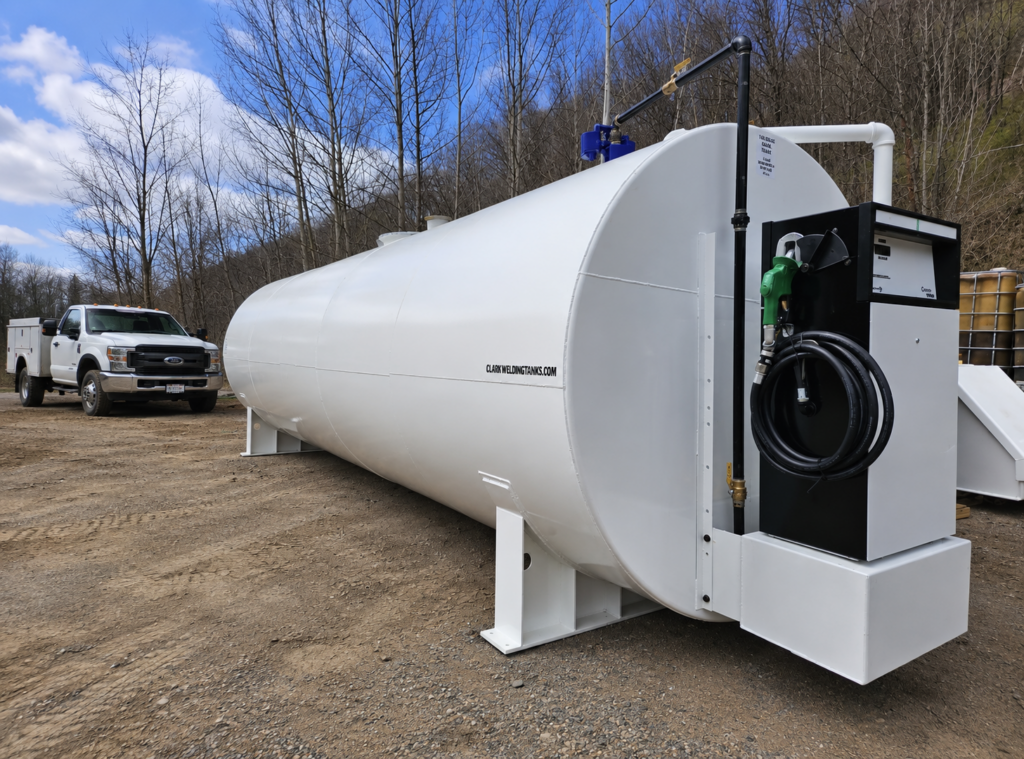
A UL 142 above ground storage tank is a common choice for commercial, industrial, agricultural, and municipal fleet fueling applications. Single-wall tanks may be appropriate where approved external secondary containment is provided. Double-wall tanks include built-in secondary containment, which can simplify installation and reduce the footprint required at many sites.
Some fleet operations require additional fire protection because of nearby buildings, limited separation distances, or local code requirements. In those situations, an STI Flameshield® tank or UL 2085 Fireguard® tank may be the better solution. If you’re comparing these options, our UL 2085 vs. UL 142 guide explains when each type of tank is commonly used.
Regardless of the tank selected, local requirements should always be confirmed before construction begins. Resources such as NFPA 30 and the EPA Spill Prevention, Control, and Countermeasure (SPCC) rule provide valuable guidance for many aboveground fuel storage installations.
Build Safety Into the Design
A successful fleet fueling system design should make safe fueling the easiest option for every driver. Good traffic flow, clear access, and properly placed equipment help reduce accidents while improving efficiency.
Drivers should be able to enter the fueling area, position their vehicles, fuel safely, and leave without unnecessary backing or crossing active traffic lanes whenever possible. The dispensing equipment should also be located where it is protected from vehicle impacts but remains easy to access for routine fueling and maintenance.
Vehicle impact protection is another important consideration. Bollards, guardrails, and protective barriers help protect tanks, dispensers, piping, and electrical equipment from accidental damage. A properly prepared foundation and secure anchoring also help keep the system stable throughout its service life.
Safety equipment should be planned as part of the complete installation rather than added later. Depending on the application, this may include emergency shutoff controls, overfill prevention, spill containment, leak detection, grounding and bonding, proper venting, and high-level alarms. Our guides on Overfill Prevention for Fuel Tank Systems and Leak Detection for Fuel Tanks explain why these systems play an important role in protecting both people and the environment.
Fuel type also affects system design. Diesel, gasoline, renewable diesel, biodiesel blends, and DEF all have different handling requirements. Selecting compatible equipment from the beginning helps improve reliability while supporting safe day-to-day operation.
Protect Fuel Quality and Improve Accountability
Fuel is one of the largest operating expenses for many fleets, so protecting it should be part of every fleet fueling system design. Clean fuel helps reduce equipment downtime, extend engine life, and lower maintenance costs, while accurate tracking helps managers understand where every gallon goes.
Diesel fuel requires particular attention. Water, sediment, and microbial contamination can damage injectors, plug filters, and reduce equipment reliability. A properly designed fueling system should include filtration that matches the fuel and the equipment being served. Water separation may also be appropriate depending on storage conditions and fuel turnover.
Routine inspections are just as important as quality equipment. Fuel storage tanks, pumps, filters, hoses, and dispensing equipment should be inspected regularly to identify leaks, damaged components, or contamination before they affect the fleet. Our guides on Tank Refurbishing Services and Leak Detection for Fuel Tanks explain how preventive maintenance and early problem detection help extend the life of aboveground fuel storage systems.
Fuel accountability should also match the size of the operation. A small fleet may only need a dependable meter and a written fueling log. Larger operations often benefit from electronic fuel management systems that record the driver, vehicle, fuel type, gallons dispensed, and time of each transaction. That information helps identify unusual fuel usage, improve maintenance planning, support job costing, and discourage unauthorized fueling.
However, technology should fit the operation. An advanced fuel management system only provides value if the information is reviewed and used. Many smaller fleets achieve excellent results with simple, dependable equipment and consistent operating procedures.
Design the Site Around Daily Operations
The most successful fleet fueling system design considers the entire jobsite, not just the tank. A fueling area should support safe traffic flow, efficient deliveries, routine maintenance, and future expansion.
Fuel delivery trucks need clear access to the fill connection without interfering with normal fleet traffic. Likewise, drivers should be able to approach the dispenser, fuel their vehicles, and leave without creating congestion during busy periods.
Maintenance access is equally important. Filters, pumps, meters, vents, gauges, and valves all require periodic service. Leaving adequate working space around the equipment makes maintenance faster, safer, and less disruptive to daily operations.
Think beyond a normal day and consider the busiest conditions your facility experiences. Can multiple vehicles fuel after a snowstorm? Can deliveries be made during peak operating hours? Is there room for an additional dispenser if the fleet expands? These practical questions often identify design improvements before construction begins.
Electrical service should also be planned early in the project. Pump voltage, lighting, emergency disconnects, conduit routes, communication wiring, and remote monitoring all affect installation costs and future system reliability. Addressing these details during the design stage helps avoid unnecessary changes after the fueling system is installed.
Work With a Complete Equipment Plan
A successful fleet fueling system design is much more than selecting a tank. Every component should work together as one complete system. That includes the storage tank, dispensing equipment, filtration, meters, hoses, nozzles, overfill protection, leak detection, controls, containment, electrical service, and site layout.
Before requesting quotes, develop a clear equipment scope. Include the fuel being stored, usable capacity, tank construction, required pump flow rate, filtration, control requirements, available electrical service, dispensing locations, site constraints, and any future expansion plans. A complete specification helps every bidder price the same project while reducing costly field changes after installation begins.
If your operation requires a complete fueling package, our Turnkey Fueling Systems guide explains how storage tanks, dispensing equipment, controls, and safety features work together as one coordinated solution.
Choose Equipment That Supports Your Fleet
The best fleet fueling system design is built around the people who use it every day. Construction companies, municipalities, utility fleets, trucking companies, mining operations, and industrial facilities all have different fueling habits, operating schedules, and equipment requirements.
For some fleets, a simple aboveground tank with one dispensing position may be the right answer. Others may benefit from multiple pumps, electronic fuel management, remote monitoring, higher-flow equipment, or additional storage capacity. The right solution depends on how your fleet operates, not simply how many gallons the tank holds.
At Clark Welding Tanks, we work with customers to evaluate fuel demand, storage capacity, tank construction, dispensing equipment, filtration, containment, and site conditions before manufacturing begins. Taking the time to understand the application helps ensure every component supports the way the fleet actually works.
A Better Fleet Fueling System Design
The most successful fleet fueling system design starts with the operation, not the equipment. When the tank, dispensing system, safety features, and site layout are designed together, fleets spend less time waiting for fuel and more time getting work done.
Planning ahead also helps protect your investment. Clean fuel, dependable equipment, proper filtration, safe traffic flow, and routine maintenance all contribute to lower operating costs and improved reliability throughout the life of the system.
Whether you’re building a new fleet fueling station or upgrading an existing installation, the right planning today can prevent expensive changes tomorrow.
If you’re ready to discuss your project, contact Clark Welding Tanks or request a fuel storage tank quote. We’ll help you design a fleet fueling system that fits your operation, supports your fleet, and keeps your equipment moving for years to come.