What Are Turnkey Fueling Systems?
Fuel storage is only one part of keeping equipment working. The tank, pump, filtration, dispensing equipment, controls, containment, and site layout all need to work together. Turnkey fueling systems bring those components together into one coordinated solution, giving contractors, fleet operators, farms, utilities, municipalities, and industrial facilities a dependable way to store and dispense fuel where it is needed most.
For many operations, the right fueling system does more than store fuel. It helps reduce downtime, improves fuel accountability, keeps equipment working, and simplifies day-to-day fueling. The goal is not to install the largest tank or the most accessories. Instead, the best turnkey fueling systems are designed around the fuel being stored, the equipment being fueled, the dispensing volume, and the conditions at the site.
What Is Included in Turnkey Fueling Systems?
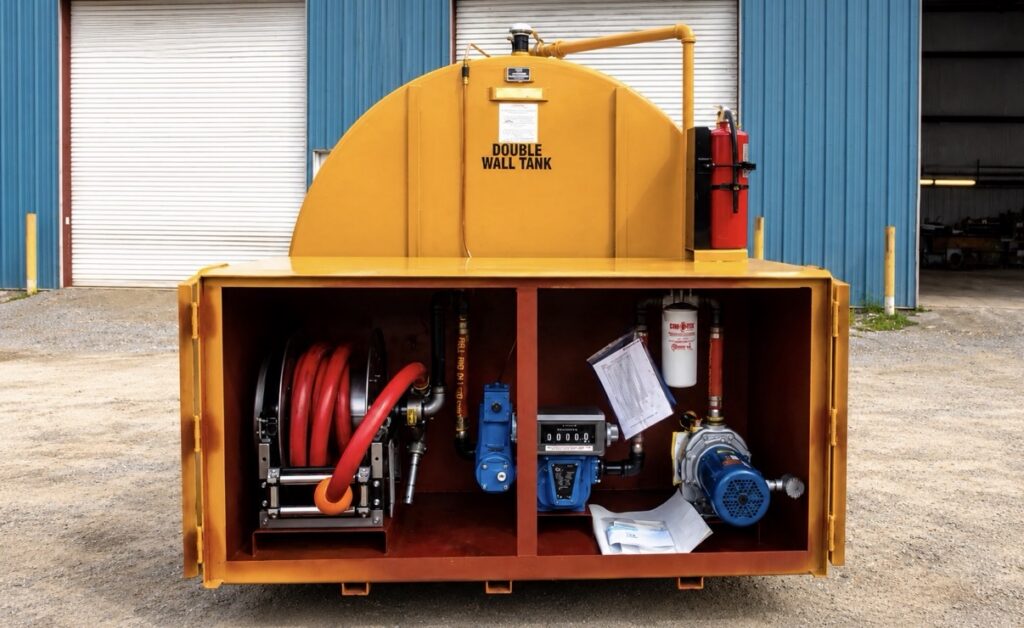
A turnkey fueling system is a complete above ground fuel storage and dispensing package designed for a specific application. At the center of the system is the storage tank. Depending on the project, that may be a UL 142 above ground storage tank, a self contained above ground storage tank, an STI Flameshield® tank, or a UL 2085 Fireguard® tank when additional fire protection is required.
The storage tank works together with the equipment needed to safely receive, monitor, and dispense fuel. A typical system may include pumps, meters, filters, hose reels, nozzles, vents, emergency vents, overfill prevention equipment, tank gauges, monitoring equipment, lockable pump cabinets, and electrical controls. Larger fleet fueling systems may also include card access, remote monitoring, inventory management, and fuel reporting.
Many turnkey fueling systems also include accessories that improve safety and simplify installation. Depending on the project, this may include bollards, equipment enclosures, concrete pad recommendations, piping layouts, spill protection, lighting, canopies, and electrical components. Every system is different because every application has different operating requirements.
The biggest advantage of a turnkey approach is coordination. Instead of purchasing a tank from one supplier, a pump from another, and filtration or controls from several different manufacturers, the entire fueling package is planned as one complete system. That helps eliminate compatibility issues while making installation and long-term maintenance much more straightforward.
Start With the Application, Not the Tank
One of the most common mistakes is selecting a tank before understanding how the system will actually be used. While tank capacity is important, it should be based on fuel demand instead of guesswork.
Start by identifying the fuel that will be stored. Diesel, gasoline, heating oil, biodiesel blends, DEF, and waste oil each have different equipment requirements. Diesel systems often benefit from quality filtration and water separation, while DEF requires materials designed specifically for diesel exhaust fluid. Choosing compatible equipment from the beginning helps improve reliability and extends the life of both the fueling system and the equipment it supports.
If you’re comparing different tank designs, our guides on Choosing the right above ground fuel storage tank and UL 2085 vs. UL 142 explain how different tank configurations fit different applications. You can also review UL 142 Aboveground Flammable Liquid Tanks for additional information about the standard that applies to many aboveground fuel storage systems.
Fuel demand is just as important as fuel type. A contractor fueling a few pieces of equipment each day has different needs than a municipality operating dozens of trucks or a utility supporting emergency generators. Before requesting a quote, estimate monthly fuel usage, peak daily demand, delivery frequency, available power, and whether the system will remain in one location or move with the project. Those details make it much easier to configure turnkey fueling systems that fit the operation instead of relying on assumptions.
Size the System Around Fuel Demand
Bigger is not always better. A larger storage tank can reduce fuel deliveries and provide additional reserve capacity, but it also requires more space, higher upfront cost, and careful attention to fuel turnover. Fuel that remains in storage too long may require additional maintenance, particularly in diesel applications.
Instead, start with average fuel consumption. Estimate how much fuel is used each day, how often deliveries are scheduled, and how much reserve fuel the operation should maintain. A remote construction site may need additional storage because deliveries are less frequent, while a fleet yard with dependable deliveries may operate efficiently with a smaller system.
Future growth should also be considered. If additional vehicles or equipment are planned, selecting a system that allows for future pump upgrades or increased dispensing capacity may be a smart investment. However, oversizing every component for a possibility years away can increase costs without providing meaningful benefits.
For standby power applications, our Generator Base Fuel Tank Buyer’s Guide explains many of the planning considerations that affect long-term fuel storage and emergency operation.
Safety and Compliance Shape Every Project
Every installation is different, which is why turnkey fueling systems should be designed around both operational needs and applicable codes. Tank listings, fire protection, environmental regulations, electrical requirements, secondary containment, and local permitting all influence the final design.
A UL 142 above ground storage tank meets the needs of many commercial and industrial applications. Other projects may benefit from a UL 2085 Fireguard® tank or an STI Flameshield® tank when additional fire protection is required because of site conditions or local code requirements.
Secondary containment deserves equal attention. Many owners prefer double-wall construction because it provides built-in containment while helping simplify installation. Others may choose external containment based on site conditions or project requirements. Our guide to Self Contained Above Ground Storage Tanks explains how integrated containment works and when it may be the right solution.
You should also review applicable regulations before construction begins. Resources such as NFPA 30 and the EPA Spill Prevention, Control, and Countermeasure (SPCC) rule provide valuable guidance for many aboveground fuel storage installations. Addressing these requirements early helps prevent expensive changes after equipment arrives on site.
Choose Equipment That Supports Daily Operations
The tank is only one part of the package. The components that move, measure, and protect the fuel determine how well turnkey fueling systems perform over the long term. Selecting the right equipment helps improve productivity while reducing maintenance and downtime.
Pump selection should match the operation. A small farm or maintenance department may only need a standard dispensing pump, while a busy fleet yard or construction company may require higher flow rates to keep equipment moving throughout the day. Choosing a pump that is too small can create delays, while selecting more capacity than the operation requires can add unnecessary cost.
Meters should also match the application. Some facilities only need a simple mechanical meter to track gallons dispensed. Others benefit from digital meters, fuel management software, card readers, or driver identification systems that improve accountability and provide detailed reporting.
Quality equipment also makes a difference. Many turnkey fueling systems include components from manufacturers such as Fill-Rite, Franklin Fueling Systems, OPW, Gasboy, Great Plains Industries, Hannay Reels, and Cim-Tek Filtration because they have proven themselves in demanding commercial fueling applications.
Protect Fuel Quality
Fuel quality is just as important as storage capacity. Clean fuel helps protect engines, pumps, injectors, and other expensive equipment while reducing unnecessary maintenance.
For diesel applications, filtration and water separation should be part of the overall system design. Water, sediment, and microbial growth can all affect stored diesel fuel, especially when tanks experience seasonal temperature changes or fuel remains in storage for extended periods. A properly designed filtration system helps deliver cleaner fuel at every fill-up.
Overfill protection and leak detection should also be included in the planning process. Our guides on Overfill Prevention for Fuel Tank Systems and Leak Detection for Fuel Tanks explain how these systems help reduce spills, protect the environment, and improve day-to-day operations. Manufacturers such as Morrison Bros. also offer overfill prevention valves, vents, gauges, and alarms that support safe fuel storage.
Plan the Site Before Installation
Even the best turnkey fueling systems depend on proper site preparation. A stable foundation, safe traffic flow, and convenient access all contribute to long-term performance.
The installation site should provide enough room for fuel deliveries, daily fueling, routine inspections, and future maintenance. Fuel delivery trucks need clear access to unloading connections, while operators should be able to fuel equipment without blocking traffic or creating unnecessary safety hazards.
Vehicle impact protection should also be considered. Bollards, curbing, and protective barriers help reduce the chance of accidental damage to the tank, dispensing equipment, and piping. Good lighting, clear signage, and organized traffic patterns make fueling safer while improving efficiency.
Finally, think about future service. Filters, pumps, meters, and valves all require periodic maintenance. Providing enough working space around the equipment makes routine service easier and helps reduce downtime throughout the life of the system.
When a Custom Fueling System Is the Better Choice
Many projects can use a standard fueling package, but others benefit from a custom design. Turnkey fueling systems can be configured to match the available space, fuel type, dispensing volume, site conditions, and long-term operating goals. Taking the time to plan these details before manufacturing begins often results in a system that performs better and requires fewer modifications later.
For example, a hospital or data center may place the highest priority on dependable generator fuel storage, remote monitoring, and emergency operation. A construction company may need a rugged diesel fueling system that can handle heavy daily use while remaining easy to relocate between jobsites. A fleet maintenance facility may focus on faster fueling, improved fuel accountability, and secure access for multiple drivers.
Some projects also require multiple fuel products, additional dispensing positions, larger equipment enclosures, or custom piping arrangements. Planning these features during the design stage helps ensure every component works together as one complete system instead of becoming a collection of unrelated equipment.
Work With a Manufacturer That Plans the Complete System
The best turnkey fueling systems begin with the right questions. An experienced manufacturer should ask about the fuel being stored, the equipment being fueled, expected daily fuel demand, available electrical service, site conditions, delivery schedules, and any local code or permitting requirements before recommending a solution.
That information helps determine the proper tank construction, dispensing equipment, filtration, containment, monitoring, and accessories. It also helps avoid common problems such as undersized pumps, inadequate filtration, missing equipment, or unnecessary upgrades that increase cost without improving performance.
At Clark Welding Tanks, we’ve been building American-made aboveground fuel storage systems since 1991. We work with customers in construction, agriculture, mining, municipalities, utilities, fleet operations, manufacturing, and emergency power to configure fueling systems that fit real-world applications instead of relying on one standard package for every project.
Choosing the Right Turnkey Fueling Systems
The best turnkey fueling systems are not defined by the number of accessories they include. They are defined by how well every component works together. A properly selected storage tank, dependable dispensing equipment, quality filtration, appropriate safety features, and thoughtful site planning create a fueling system that supports daily operations for years to come.
Before requesting a quote, gather as much information as possible about your project. Fuel type, storage capacity, daily usage, future growth, available space, electrical service, delivery access, and local code requirements all play an important role in selecting the right system. Planning ahead helps reduce delays, improves installation, and gives every bidder a clear understanding of the project.
If you’re planning a new fueling installation, contact Clark Welding Tanks or request a fuel storage tank quote. Our team can help you design turnkey fueling systems that match your operation, improve efficiency, and provide dependable fuel storage and dispensing for the long haul.