Portable Trailer Fuel Tanks Keep Fuel Where the Work Happens
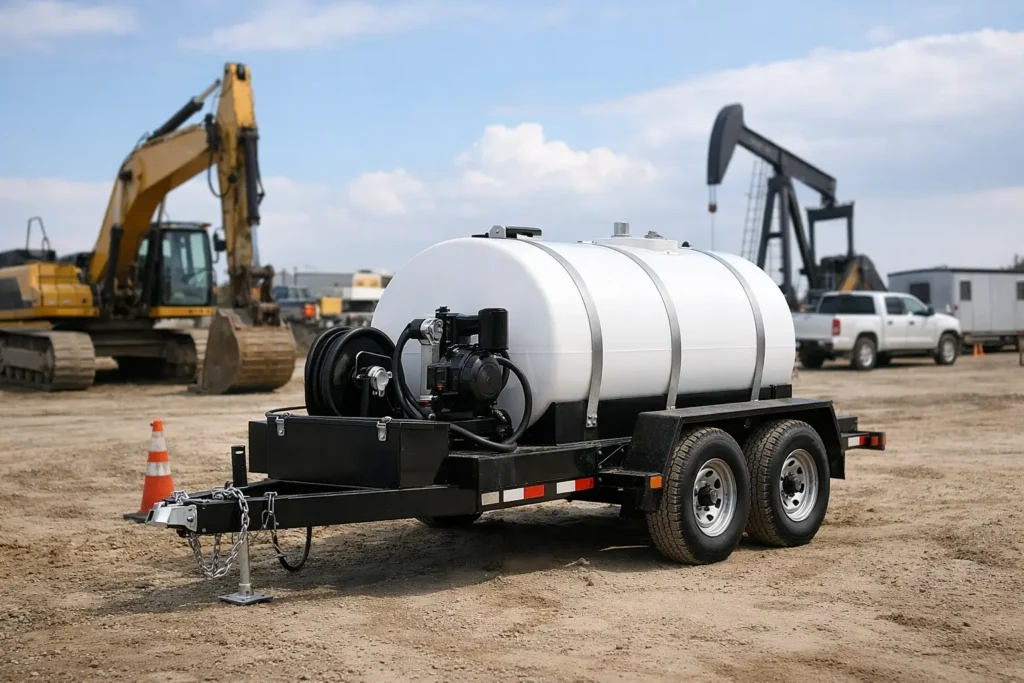
A fuel delivery truck is not always the best solution when equipment is spread across a construction site, farm, utility right-of-way, mine, or other remote location. Portable trailer fuel tanks let crews bring fuel directly to the equipment instead of sending machines back and forth for refueling. That saves time, reduces unnecessary travel, and helps crews stay productive.
Choosing the right portable fueling system takes more than picking a tank that fits on a trailer. The system needs to match the fuel you plan to store, how often it will travel, where it will operate, how fuel will be dispensed, and the regulations that apply to your project.
For many contractors, fleet managers, and facility owners, the biggest question is not tank size. The first question is how the trailer will actually be used.
Will it stay on private property?
Will it move from jobsite to jobsite?
Will it travel on public highways while carrying fuel?
Those answers affect everything from the tank design to the trailer, pump package, and safety equipment. Thinking through those details early can save money and prevent expensive changes later.
Start With the Way You Plan to Use the Tank
Portable trailer fuel tanks serve many different industries. Construction companies use them to fuel excavators, loaders, and dozers. Farmers use them to keep tractors and combines working during busy seasons. Utility crews rely on them for remote maintenance work. Mining operations, pipeline contractors, municipalities, and emergency response teams also use portable fueling systems every day.
While the applications vary, the goal stays the same. Fuel should always be available where the work is happening.
That starts with understanding how much fuel your equipment actually uses each day.
Instead of simply buying the largest tank available, estimate daily fuel consumption first. Then consider how often the tank will be refilled, how many machines it needs to support, and whether it should carry enough fuel for one shift or several days.
A larger tank reduces refill trips, but it also increases weight. More weight affects towing requirements, trailer selection, and sometimes transportation regulations. In many situations, a properly sized tank works better than simply choosing the biggest one that fits on the trailer.
Fuel type also plays an important role.
Diesel, gasoline, renewable diesel, and other petroleum products each have different storage and handling requirements. The pump, hoses, seals, filters, and other components should all be compatible with the fuel you plan to store.
If you’re still comparing storage options, our article on Choosing the right above ground fuel storage tank explains the factors that influence tank selection for different applications.
Tank Construction Makes a Difference
Portable fuel tanks operate in demanding conditions. They experience constant vibration, rough roads, changing weather, repeated loading and unloading, and daily use in challenging environments.
A quality steel tank gives operators confidence that the system can handle those conditions.
Many buyers choose a UL 142 above ground storage tank because it is a proven design for aboveground fuel storage. Depending on the application, buyers may also consider double-wall construction or self-contained above ground storage tanks that include built-in secondary containment.
Integrated containment can reduce spill exposure while making the overall system easier to manage on many jobsites. The right choice depends on your fuel, operating environment, site requirements, and local regulations.
One point deserves special attention.
A tank built to an aboveground storage standard does not automatically qualify for highway transportation.
If the trailer will travel on public roads while carrying fuel, federal, state, and local transportation regulations may apply. Those requirements depend on several factors, including fuel type, capacity, trailer configuration, and how the equipment will be used.
It is much easier to address those requirements during the planning stage than after the tank has already been built.
Single-Wall or Double-Wall?
One of the biggest decisions is whether a single-wall or double-wall tank best fits your operation.
A single-wall tank can be a practical choice when the site already provides approved secondary containment. It often costs less upfront and works well for controlled locations where the containment system remains in place.
The tradeoff is that you remain responsible for maintaining that separate containment area. If the trailer moves frequently, setting up external containment at every location may become less convenient.
A double-wall tank surrounds the primary tank with a second steel wall that provides built-in secondary containment. Many contractors and fleet operators like this design because it combines storage and containment into one package.
For operations that relocate often, work near environmentally sensitive areas, or simply want added protection, a double-wall or self-contained design can make day-to-day fueling much easier.
No matter which style you choose, good operating practices still matter. Even the best tank cannot replace proper inspections, safe fueling procedures, and routine maintenance.
The Trailer Is Just as Important as the Tank
Many buyers spend most of their time selecting the tank and very little time thinking about the trailer.
In reality, the trailer is part of the fueling system.
The frame, axles, brakes, suspension, coupler, wheels, tires, lighting, and mounting system all need to support the fully loaded weight. Fuel is heavy, and many buyers underestimate just how quickly the weight adds up.
Remember that the total operating weight includes:
- The steel tank
- The trailer
- Fuel
- Pumps
- Hose reels
- Filters
- Meters
- Tools
- Accessories
Proper weight distribution also affects towing safety. A poorly balanced trailer can create excessive tongue weight or unstable handling at highway speeds.
The tank should be securely mounted to prevent movement during transport while still allowing safe access for fueling and maintenance. Operators should not have to climb across the trailer or stretch hoses through unsafe areas just to reach equipment.
Think about the towing vehicle as well.
A pickup that easily handles a small service trailer may not safely tow a fully loaded fuel trailer. Before ordering a system, verify towing capacity, hitch ratings, braking capability, payload limits, and how the trailer will travel each day.
A trailer designed for paved municipal streets may look much different from one that spends its life crossing rough construction sites, farmland, or mining roads.
Build the Dispensing Package Around Your Crew
The tank stores fuel.
The dispensing system determines how efficiently your crew can use it.
Choosing the right pump starts with understanding your daily workload. Larger equipment often benefits from higher flow rates because fueling takes less time. Smaller equipment may work better with slower, easier-to-control dispensing.
The goal is not simply the fastest pump available. The goal is a system that matches how your crew actually fuels equipment every day.
Most portable fueling systems include:
- Fuel pump
- Delivery hose
- Fuel nozzle
- Fuel filter
- Venting system
- Fill connection
- Level gauge
- Emergency shutoff
Many buyers also add accessories such as:
- Hose reels
- Fuel meters
- Lockable equipment cabinets
- Overfill protection
- Leak detection
- Remote tank monitoring
- Grounding and bonding equipment
These options can improve convenience, increase accountability, and reduce downtime, especially for larger fleets or contractors managing multiple jobsites.
Don’t Overlook Fuel Filtration
Clean fuel protects expensive equipment.
Diesel engines, in particular, are sensitive to water and dirt. Even small amounts of contamination can shorten injector life, reduce engine performance, and lead to costly repairs.
A good filtration system helps remove water and debris before fuel reaches your equipment. That protection starts when fuel enters the tank and continues every time someone dispenses fuel.
If your trailer operates in dusty areas, muddy jobsites, or wet weather, pay close attention to fill caps, vents, filters, and hose connections. Keeping those components clean goes a long way toward protecting both the fuel and the equipment that depends on it.
Think About Compliance Before You Order
Fuel storage regulations vary from one project to another. What works for one customer may not meet the requirements for another.
Depending on your application, you may need to consider fire codes, environmental regulations, workplace safety rules, transportation requirements, insurance standards, and customer specifications.
Organizations and standards that may apply include:
- NFPA 30
- EPA 40 CFR Part 112
- Department of Transportation (DOT)
- OSHA
- Steel Tank Institute (STI)
The exact requirements depend on how and where the system will operate.
The best time to discuss compliance is before fabrication begins.
Give the manufacturer as much information as possible, including:
- Fuel type
- Desired capacity
- States where the trailer will operate
- Whether it will travel public roads
- Expected jobsite conditions
- Available electrical power
- Dispensing requirements
- Customer or project specifications
The more information your manufacturer receives, the better they can recommend a system that fits your operation.
Four Questions to Answer Before You Buy
Before ordering a portable trailer fuel tank, make sure you can answer these questions:
- Will the trailer travel on public roads while carrying fuel?
- Will it stay at temporary jobsites or move regularly between locations?
- Does the project require built-in secondary containment or additional fire protection?
- Which pump, hose, filtration, metering, and security features will your crew use every day?
Those answers help prevent costly surprises after the tank arrives.
They also help ensure you purchase equipment that supports your operation for years instead of forcing expensive upgrades later.
Safe Operation Should Always Be Part of the Plan
Even the best-built fuel trailer depends on safe daily operation.
Develop clear fueling procedures so every operator follows the same process each time the trailer is used.
Before fueling begins, inspect the trailer for leaks, damaged hoses, loose fittings, worn tires, lighting problems, and any signs of fuel contamination.
During fueling, position the trailer on stable ground whenever possible, manage hoses carefully, and watch equipment while fuel is flowing.
After fueling, inspect the equipment one more time before moving to the next job.
These routine inspections only take a few minutes, but they can prevent expensive repairs, spills, and unnecessary downtime.
Protect the Equipment After Hours
Portable fuel trailers often spend nights and weekends on construction sites, farms, utility corridors, and other remote locations. That makes security just as important as tank construction.
Simple features can help reduce unauthorized fuel use and discourage theft, including:
- Lockable fill caps
- Lockable pump enclosures
- Secured trailer couplers
- Fuel-use meters
- Fleet fuel management systems
- Remote tank monitoring
If several crews share the same trailer, fuel tracking becomes even more valuable. A meter or fleet management system provides much better records than handwritten logs and can help identify unusual fuel usage before it becomes a larger problem.
Work With a Manufacturer That Understands Your Application
Some portable trailer fuel tanks fit standard applications right out of the catalog. Others need a more customized approach.
Tank capacity, trailer size, pump layout, hose routing, climate, available power, containment requirements, and customer specifications all influence the final design.
That is why the best manufacturers start by asking questions instead of immediately recommending a tank.
At Clark Welding Tanks, we work with contractors, fleet managers, municipalities, farmers, industrial facilities, and other customers to build American-made fuel storage solutions that match real operating conditions. Whether you need a UL 142 fuel storage tank, a Flameshield® tank, a Fireguard® tank, or another custom fuel storage solution, our team can help you evaluate your options.
The best portable fueling system starts with understanding the job.
Tell your manufacturer where the trailer will operate, what equipment it will fuel, how often it will travel, and what regulations apply. Those details lead to a safer, more efficient system that keeps your crews working while protecting your equipment and your investment.
If you’re planning a new fueling system or replacing older equipment, contact Clark Welding Tanks or request a fuel storage tank quote. We’ll help you choose a solution that fits your operation today and continues to perform for years to come.